Private Email vs. Disposable Email: Which Should You Choose?
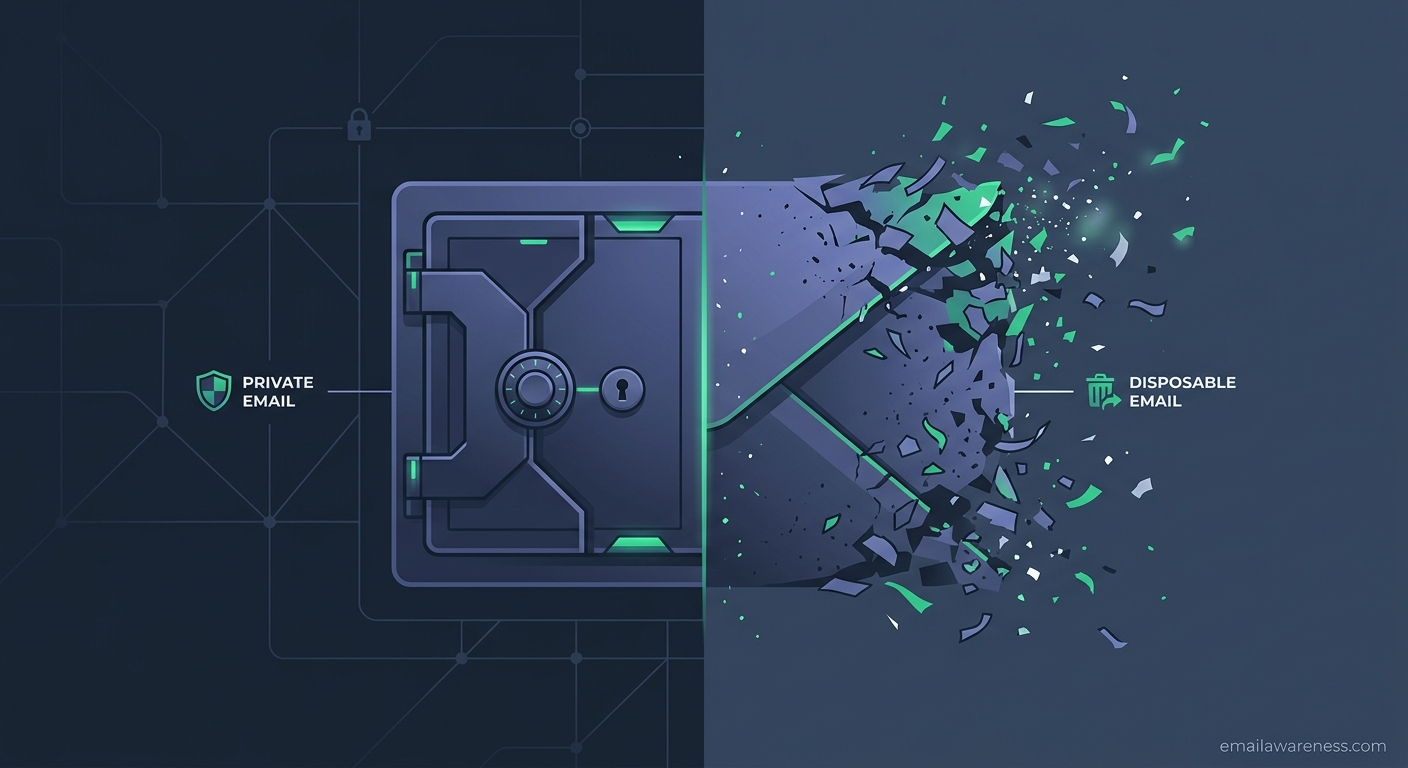
In an era where data breaches and persistent tracking are routine, protecting your inbox is no longer optional—it's a critical component of your digital hygiene. As individuals seek to reclaim their privacy, two prominent solutions have emerged: Private Email and Disposable Email.
While both serve to shield your primary identity, they operate on completely different philosophies and are designed for distinct use cases. Here is an editorial deep dive into the mechanics, benefits, and strategic applications of each, designed to help you make informed decisions about your digital footprint.
What is a Private Email Service?
A private email service (such as ProtonMail, Tuta, or Fastmail) is a fully-featured, secure alternative to mainstream providers like Gmail or Outlook. These services prioritize user privacy, data security, and often employ end-to-end encryption.
- Core Characteristics:
- Zero-Knowledge Architecture: The provider cannot read your emails. Only you hold the decryption keys.
- No Advertising or Profiling: You are the customer, not the product. These services do not scan your inbox to build marketing profiles.
- Persistent and Reliable: It is a permanent address designed for long-term use, legal correspondence, and banking.
When to Use It: Use a private email as your primary anchor identity. It is ideal for banking, healthcare, official communications, and personal correspondence where confidentiality is paramount.
What is a Disposable Email Address?
A disposable email address (DEA), often referred to as a "burner email," is a temporary, easily discardable address. Services like 10MinuteMail or simple email aliases (e.g., Apple's Hide My Email or SimpleLogin) generate unique addresses on the fly.
- Core Characteristics:
- Ephemeral or Forwarding: Traditional burners self-destruct after a set timeframe. Forwarding aliases route mail to your primary inbox until you disable them.
- Anonymity over Encryption: The goal is to hide your real address from the sender, not necessarily to encrypt the contents.
- Spam Mitigation: If a disposable address is compromised or sold to spammers, you simply delete it without affecting your primary communications.
When to Use It: Use disposable emails as a protective shield for low-trust interactions. They are perfect for downloading gated content, signing up for one-time discounts, or registering on forums where you anticipate spam or data sharing.
The Verdict: A Hybrid Approach
Choosing between private and disposable email isn't an either/or proposition—they work best when used together as a comprehensive defense strategy.
By utilizing a strong private email for high-trust, essential services, and deploying disposable aliases for low-trust, transactional sign-ups, you create a robust moat around your digital identity. This hybrid approach significantly reduces your attack surface, mitigates spam, and ensures that even if a service is breached, your core identity remains secure.